
Innovation is the lifeblood of any successful company, driving growth, competitive advantage, and customer satisfaction. However, fostering innovation in a lean organisation can be challenging, as the focus on efficiency and cost reduction can sometimes stifle creativity and risk-taking. In this blog post, we’ll explore how to foster innovation in a lean organisation.
Embrace a Growth Mindset
The first step in fostering innovation is to embrace a growth mindset. This means believing that your business can grow and change, that failures are opportunities for learning and growth, and that you can always improve and innovate. This mindset encourages experimentation, risk-taking, and creativity, all essential components of innovation.
Empower Employees
Empowering employees is essential to fostering innovation. Your employees are the ones who are closest to your customers, products, and processes, and they often have valuable insights and ideas for improving your company. By empowering your employees to take ownership of their work, provide feedback, and contribute ideas, you can tap into this valuable resource and drive innovation.
Create a Culture of Innovation
Creating a culture of innovation is essential to fostering innovation in a lean organisation. This means establishing norms and values that encourage and reward creativity, risk-taking, and experimentation. This can involve creating dedicated spaces for innovation, such as innovation labs or brainstorming rooms, or organising events and challenges that encourage employees to collaborate and generate new ideas.
Provide Resources and Support
Innovation requires resources and support, whether that’s funding, time, or expertise. To foster innovation, it’s important to provide your employees with the resources they need to innovate, whether that’s access to technology, training, or mentoring. It’s also important to create processes and systems that support innovation, such as idea management systems or innovation incubators.
Encourage Collaboration
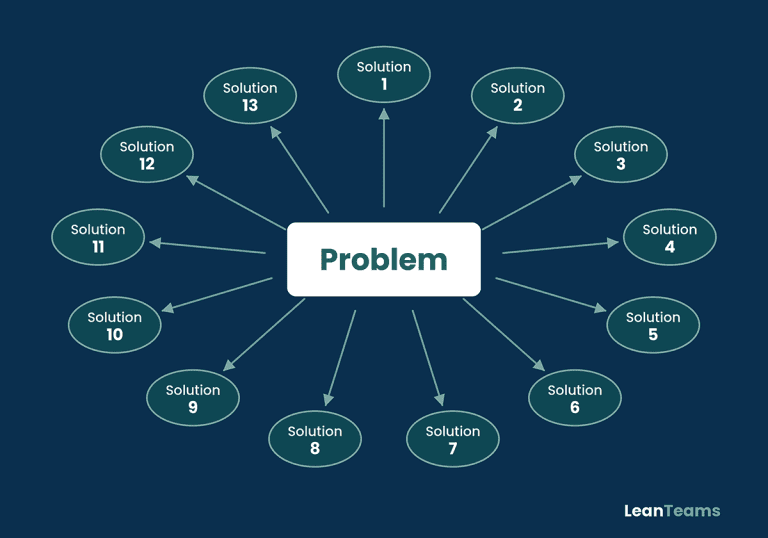
Collaboration is essential to innovation, as it allows for the exchange of ideas, perspectives, and expertise. To foster collaboration, it’s important to create opportunities for employees to work together, whether that’s through cross-functional teams, communities of practice, or open innovation platforms. It’s also important to foster a culture of trust and respect, where employees feel comfortable sharing their ideas and perspectives.
Experiment and Iterate
Innovation requires experimentation and iteration, as it’s rare that the first idea or solution will be the best one. To foster innovation, it’s important to encourage experimentation and iteration, whether that’s through prototyping, testing, or continuous improvement. This allows for ideas to be refined and improved over time, ultimately leading to better outcomes.
Celebrate Successes
Celebrating successes is essential to fostering innovation, as it recognises and rewards the hard work and creativity that goes into innovation. This can involve public recognition, rewards, or even a culture of celebration and fun. Celebrating successes also helps to reinforce the values and norms that support innovation, encouraging employees to continue to innovate and generate new ideas.
Stay Customer-Centric
One of the key principles of lean management is a focus on delivering value to the customer. This principle also applies to fostering innovation in a lean organisation. By staying customer-centric, you can ensure that the ideas and solutions you generate are aligned with the needs and preferences of your customers. This can involve soliciting feedback from customers, conducting user research, or using customer insights to inform the ideation and development process.
Incorporate Diversity and Inclusion
Diversity and inclusion are essential components of fostering innovation in a lean organisation. By incorporating diverse perspectives and experiences, you can generate a wider range of ideas and solutions, and ensure that your innovation efforts are inclusive and accessible to all. This can involve actively seeking out diverse perspectives, creating a culture of inclusivity, and providing training and support to employees on topics such as unconscious bias and cultural sensitivity.
Measure and Evaluate
Finally, it’s important to measure and evaluate the impact of your innovation efforts. This allows you to understand what’s working, what’s not, and how you can improve your innovation processes and outcomes over time. This can involve establishing metrics and KPIs to track innovation performance, conducting regular reviews and evaluations, and using data and insights to inform continuous improvement.
What can you innovate?
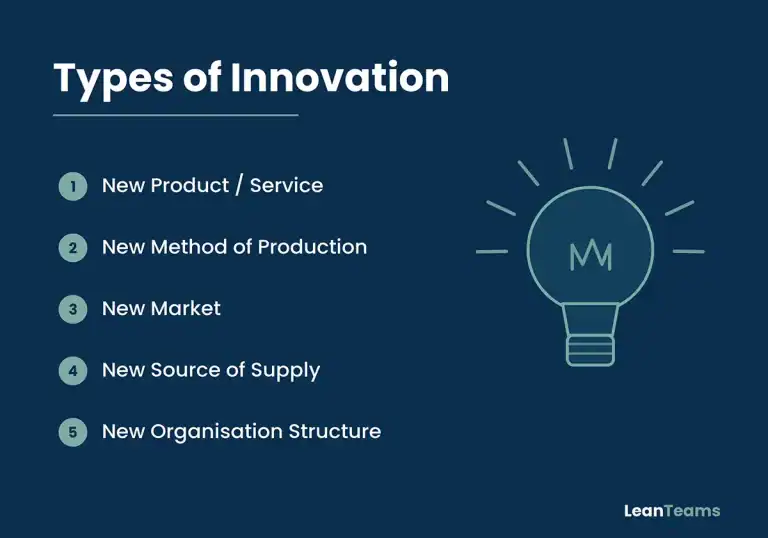
It’s easy to think that innovation is limited to products or processes, but it can come from anywhere. Ask yourself, “What can I innovate right now?”
How do you foster a culture of innovation?
Many companies seek to foster innovation. But how do you make innovation a core tenet of your organisation?
According to Boston Consulting Group, strong innovators place a strong emphasis on clear processes. Companies that were the first to adopt Lean R&D processes gained a considerable competitive edge by developing higher-quality goods up to six months ahead of their competition.
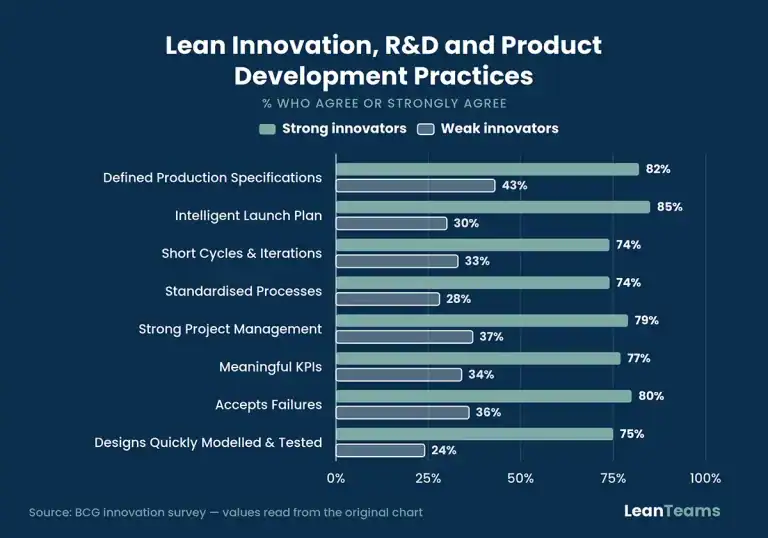
The first step in encouraging innovation is getting top-level support. Then, start with some basic tenets: clear vision and strategy, empowered people, inclusion, respect, trust and cross-functional teams that interact closely with customers and suppliers.
Organisations need to create an atmosphere where every member of staff feels like they have permission to innovate and experiment with ideas. The key here is collaboration – finding ways for people from different teams to work together. Encouraging open dialogue between departments is one way for different ideas to come together and lead to innovative solutions for problems big and small.
Fostering healthy communication between managers and employees goes hand-in-hand with collaboration. If team members aren’t comfortable bringing their questions and concerns about new initiatives directly to their superiors, then it’s unlikely their opinions will be heard at all during decision-making processes.
Finally, set short-term and long-term metrics for measuring success. In addition, you need to communicate these metrics clearly across all levels of your company . While it’s impossible to be innovative at every turn, if you strive for consistency across these fundamentals you’ll soon see improvements at every level of your business.
Key Questions for Leaders
Innovation is incredibly important in any organisation, but it’s not an easy thing to foster when you’re running lean. Leadership is key to innovation, and leaders must create an environment that fosters innovation.
Unfortunately, leadership skills are often overlooked when it comes to fostering innovation. The secret of good leadership is understanding people; we all have different thoughts and ideas on what makes us innovative. A leader’s job is not only to understand people’s motives but also their strengths and weaknesses, so they can foster them accordingly.

Finally..
While some might worry that it’s difficult or impossible to foster innovation when working within a lean structure. It’s really not. It just takes different skills, processes and attitudes. A lean organisation can be innovative as long as leaders are clear about what they want their employees to focus on. They understand how their innovations will create value for both customers and business objectives, and they make sure that everyone on staff knows what value means.
Key questions to consider
- When was the last time you successfully launched a new product or service?
- Who is the driving force for innovation in your company?
- What is stopping you from innovating more frequently?
- Do you have a company culture that encourages new ideas and innovation?
- Do you empower your employees to be innovative?
- Are you open to new ideas, new processes and new ways of doing things?
Conclusion
In conclusion, fostering innovation in a lean organisation requires a deliberate and intentional approach. By embracing a growth mindset, empowering employees, creating a culture of innovation, providing resources and support, encouraging collaboration, experimenting and iterating, staying customer-centric, incorporating diversity and inclusion, and measuring and evaluating your efforts, you can drive innovation and growth while maintaining the efficiency and cost-effectiveness that are at the heart of lean management.
By doing so, you can create a more agile, adaptive, and innovative business that is better equipped to succeed in today’s fast-paced and ever-changing business landscape.
If you need help finding which Lean tool or strategy best suits your business, contact us for a free consultation.
You may also be interested in reading about Why Companies are turning to Online Experiential Learning for Training & Development and Why you need to become a Lean Leader Read all our blogs. Please connect with us on Linkedin and Twitter